
1. Strategic Social Media Campaigns That Build Audience Engagement
Posting on social media without a plan usually produces a few likes, a handful of followers, and no measurable business results. Campaigns fix that by tying each post to a specific goal, audience, and call to action. At Top 3 SEO Company, we start every engagement by defining what success looks like, whether that is booked consultations, store visits, or newsletter sign-ups.
A campaign works best when it has a single focus for a set period, often four to eight weeks. For example, a local dental practice might run a “back to school checkups” campaign with patient stories, a short explainer video, and a booking link. Each piece of content supports the same offer, so the audience hears one clear message repeatedly instead of many scattered ones.
Engagement comes from giving people a reason to respond. Ask questions that are easy to answer, run polls, feature customer photos, and reply to every comment within a day. Our social media campaigns are built around these interaction loops, so the platform’s algorithms reward your content with wider reach.
Actionable takeaway: Write one campaign goal, one target audience, and one call to action on a single page before creating any posts.
2. Consistent Social Media Content Creation and Scheduling
Consistency matters more than volume. Audiences begin to recognize a brand when it shows up on a predictable rhythm, and platforms favor accounts that publish regularly. The problem most growing businesses face is not a lack of ideas but a lack of time to produce and post them.
A simple content mix keeps production manageable. Many teams use a split such as 40 percent educational content, 30 percent behind-the-scenes or team content, 20 percent customer stories, and 10 percent direct offers. This ratio keeps followers interested without making every post feel like an advertisement.

Scheduling tools let you batch work. We typically plan a month of content in one or two sessions, write captions in a shared document, design graphics in templates, and queue everything in advance. Leave room for timely posts, such as responses to local events or industry news, so the feed still feels current.
Actionable takeaway: Pick three posting days per week you can sustain for the next 90 days, then batch one week of content into a single work session.
3. Professional Video Production for Brand Storytelling
Video holds attention better than text or static images, and it helps prospects feel they know your team before they ever call. Professional production does not have to mean a large budget. It means clear audio, steady framing, good lighting, and a script that stays focused on one idea.
Effective brand videos usually answer a question a customer already has. A plumbing company might film a 90-second walkthrough of how it diagnoses a slow drain. A furniture maker might show the six steps behind one chair. These stories build trust because they show real work rather than polished slogans.
Video content marketing also gives you reusable assets. A single interview can become a website feature, a YouTube upload, several social clips, and an email attachment. We design video projects this way so each shoot supports multiple channels and your investment goes further.
Actionable takeaway: Script one 60 to 90 second video that answers the most common question your customers ask before buying.
4. Short-Form Video Content for Social Platforms
Short-form video, typically under 60 seconds, is where many people now discover new businesses. Its strength is speed: viewers decide within the first few seconds whether to keep watching, so the opening matters more than anything else.
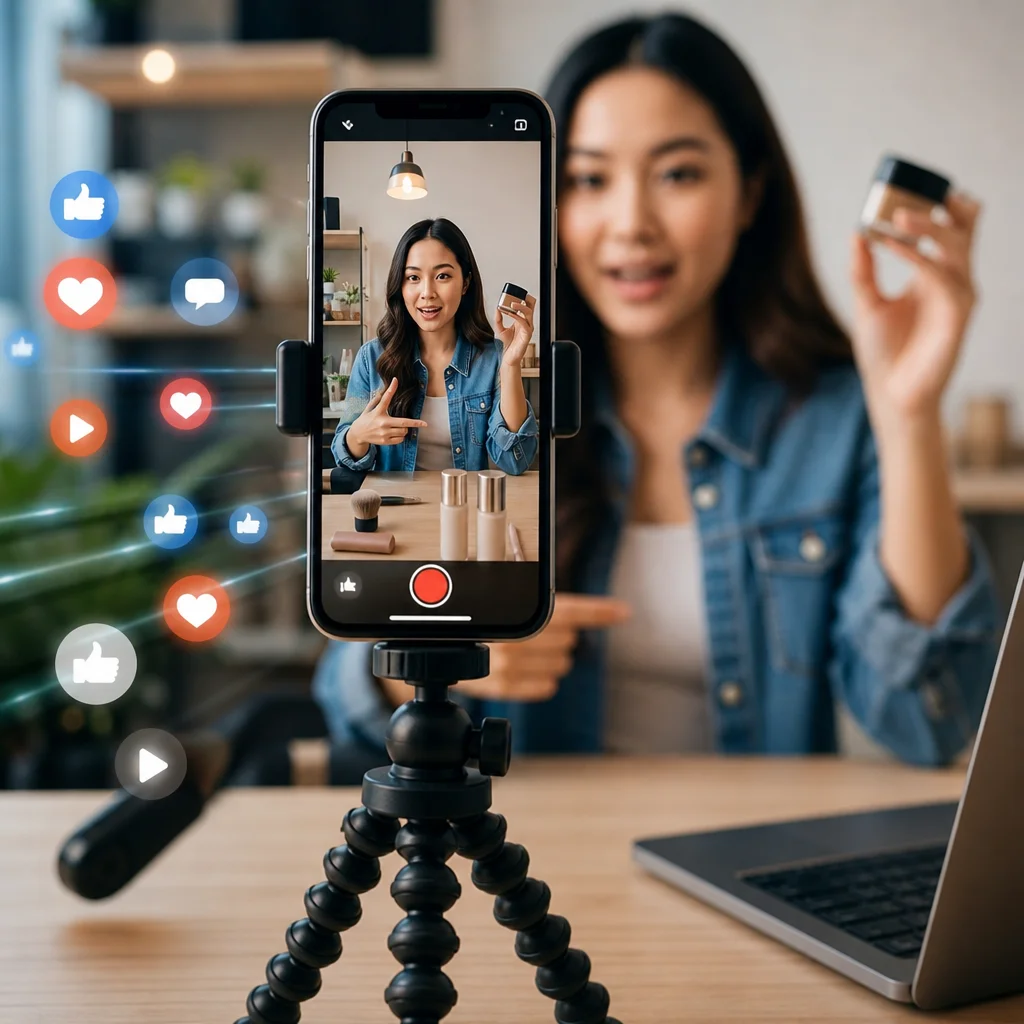
Start with a hook that names a problem or shows an unexpected result. Keep cuts quick, add captions because many viewers watch without sound, and end with one clear action such as “save this” or “book a call.” A restaurant might post a three-second clip of a dish being plated, followed by a short tip on ordering for groups.
Repurposing keeps this manageable. Film longer videos once, then cut them into vertical clips for each platform. Track which clips earn saves and shares, since those signals show what your audience actually values.
Actionable takeaway: Film one filmed session and cut it into three vertical clips, each with a caption and a single call to action.
5. Proactive Review Monitoring and Response
Online reviews influence decisions before most customers speak with anyone. A business that waits to see what people write often finds problems only after they have cost sales. Proactive monitoring means watching every platform where your business is listed and responding quickly.
Set up alerts for your business name on the major review sites and in your Google Business Profile. Aim to acknowledge new reviews within 24 to 48 hours. For positive reviews, thank the reviewer and mention a specific detail they shared. For negative reviews, respond calmly, acknowledge the issue, and move the conversation offline with a direct contact.
Patterns matter as much as individual reviews. If three customers mention long wait times in a month, that is an operational signal worth fixing. Our reputation management services include review monitoring and response workflows, so these trends surface early instead of after a rating has dropped.
Actionable takeaway: Create a response template for positive and negative reviews, then set a weekly 20-minute review check on your calendar.
6. Online Reputation Management Across Search and Social

Reputation is not limited to review sites. When someone searches your business name, they see your website, social profiles, news mentions, directory listings, and reviews together. Each of these shapes the impression a prospect forms before contacting you.
Start with an audit. Search your business name, your owner’s name, and your main services, then note what appears on the first two pages of results. Look for outdated listings, inconsistent contact details, or content that no longer reflects your business. Correcting these items often improves both trust and click-through rates.
Ongoing management means publishing accurate, positive content that appears in search results, keeping profiles complete, and addressing misinformation promptly. We coordinate these efforts with SEO and social work so that your strongest, most accurate information ranks first.
Actionable takeaway: Search your business name in a private browser window this week and list every result on pages one and two, marking any that need updating.
7. Measuring Results and Refining Your Campaigns
Without measurement, social media becomes guesswork. The right metrics depend on your goal. Awareness campaigns track reach and impressions. Engagement campaigns track saves, shares, and comments. Lead-generation campaigns track link clicks, form submissions, calls, and booked appointments.
Review performance monthly and look for what repeats. If short videos with captions earn the most saves, make more of them. If a particular offer drives calls but few shares, keep it in your mix but adjust the platform. Small changes based on evidence add up quickly over a year.
Connect social data to business outcomes wherever possible. Use tracked links, unique phone numbers for campaigns, or promo codes so you can see which activity produces revenue. We build reporting dashboards that combine platform analytics with lead data, so decisions rest on results rather than impressions alone.
Actionable takeaway: Choose three metrics tied to your main goal, record them monthly in one spreadsheet, and change one element of your content each month based on what the numbers show.
